Viagra is a prescription only drug. This means it’s important to follow the instructions given to you by your doctor in order for the drug to be effective and safe for use. You can get a Viagra prescription via your doctor or through an online medical consultation.
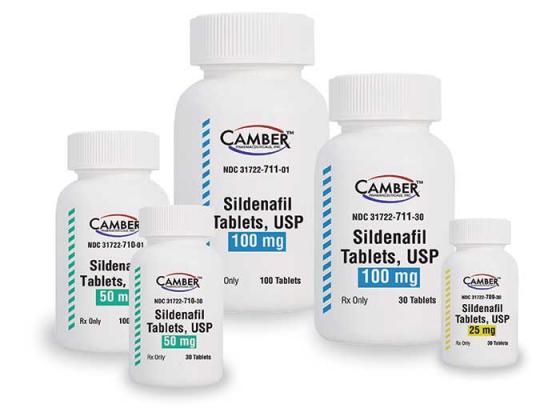
Camber Pharmaceuticals has introduced its generic Viagra (sildenafil tablets). The drug is indicated to treat erectile dysfunction.
Camber’s generic Viagra will be available in 25-, 50- and 100-mg dosage strengths. The 25-mg dosage strength will be available in 30-count bottles and the 50- and 100-mg tablets will be available in both 30- and 100-count bottles, Camber said.
Since the first generic of Pfizer’s ED drug launched late last year, prescription discount company GoodRx has reported that sildenafil prescriptions have increased roughly 27% over 2017, with generics cornering 80% of the market.
Impotence means that a man’s penis doesn’t get hard enough to have sexual intercourse. The man cannot get or maintain an erection. The medical term is erectile dysfunction (ED).
ED is not the same as premature ejaculation.
The major causes of ED include:
Vascular (blood vessel) disease — Erections happen when blood collects in the shaft of the penis. Vascular disease can limit the amount of blood flowing to or staying in the penis. Both can result in problems with erections.
Vascular disease is the most common medical cause of impotence.
Nerve damage — Nerves must be working normally for a man to get and keep an erection. Nerves can be damaged by diabetes, multiple sclerosis, prostate surgery or damage to the spinal cord.
Psychological factors — Psychological issues such as depression, anxiety, guilt or fear can sometimes cause sexual problems. At one time, these factors were thought to be the major cause of impotence. Doctors now know that physical factors cause impotence in most men with the problem. However, embarrassment or “performance anxiety” can make a physical problem worse.
Medications — Many medications cause problems with sexual function. These include drugs for high blood pressure, depression, heart disease and prostate cancer.
Hormonal problems — Abnormal levels of certain hormones can interfere with erections and sex drive. Hormonal problems, such as a low testosterone level, are an uncommon cause of impotence.
Controlled Substance or drugs that can cause or lead to ED include these recreational and frequently abused drugs:
Alcohol.
Amphetamines.
Barbiturates.
Cocaine.
Marijuana.
Methadone.
Nicotine.
Opiates.
Aside from the well-known complications that the use and abuse of these drugs can cause, ED is not often mentioned. However, use of these drugs is a risk factor for ED. These drugs not only affect and often times slow down the central nervous system, but can also cause serious damage to the blood vessels, leading to permanent ED.
Erectile dysfunction (ED) is a common side effect of a number of prescription drugs.
While these medications may treat a disease or condition, in doing so they can affect a man’s hormones, nerves or blood circulation. The result may be ED or an increase in the risk of ED.
If you have ED and think that it may be a result of the medication you are using, do not stop taking the medication. If the problem persists, contact your doctor and he or she may be able to prescribe a different medication. Common medications that may list ED as a potential side effect include:
Diuretics (pills that cause an increase in urine flow).
Antihypertensives (medication for high blood pressure).
Antihistamines.
Antidepressants.
Parkinson’s disease drugs.
Antiarrhythmics (medication for irregular heart action).
Tranquilizers.
Muscle relaxants.
Non-steroidal anti-inflammatory drugs.
Histamine H2-receptor antagonists.
Hormones.
Chemotherapy medications.
Prostate cancer drugs.
Anti-seizure medications.
Drugs that may cause erection problems
Many medicines and recreational drugs can affect a man’s sexual arousal and sexual performance. What causes erection problems in one man may not affect another man.
Talk to your health care provider if you think that a drug is having a negative effect on your sexual performance. Never stop taking any medicine without first talking to your provider. Some medicines may lead to life-threatening reactions if you do not take care when stopping or changing them.
The following is a list of some medicines and drugs that may cause erectile dysfunction (ED) in men. There may be additional drugs other than those on this list that can cause erection difficulties.
Antidepressants and other psychiatric medicines:
Amitriptyline (Elavil)
Amoxapine (Asendin)
Buspirone (Buspar)
Chlordiazepoxide (Librium)
Chlorpromazine (Thorazine)
Clomipramine (Anafranil)
Clorazepate (Tranxene)
Desipramine (Norpramin)
Diazepam (Valium)
Doxepin (Sinequan)
Fluoxetine (Prozac)
Fluphenazine (Prolixin)
Imipramine (Tofranil)
Isocarboxazid (Marplan)
Lorazepam (Ativan)
Meprobamate (Equanil)
Mesoridazine (Serentil)
Nortriptyline (Pamelor)
Oxazepam (Serax)
Phenelzine (Nardil)
Phenytoin (Dilantin)
Sertraline (Zoloft)
Thioridazine (Mellaril)
Thiothixene (Navane)
Tranylcypromine (Parnate)
Trifluoperazine (Stelazine)
Antihistamine medicines (certain classes of antihistamines are also used to treat heartburn):
Cimetidine (Tagamet)
Dimenhydrinate (Dramamine)
Diphenhydramine (Benadryl)
Hydroxyzine (Vistaril)
Meclizine (Antivert)
Nizatidine (Axid)
Promethazine (Phenergan)
Ranitidine (Zantac)
High blood pressure medicines and diuretics (water pills):
Atenolol (Tenormin)
Bethanidine
Bumetanide (Bumex)
Captopril (Capoten)
Chlorothiazide (Diuril)
Chlorthalidone (Hygroton)
Clonidine (Catapres)
Enalapril (Vasotec)
Furosemide (Lasix)
Guanabenz (Wytensin)
Guanethidine (Ismelin)
Guanfacine (Tenex)
Haloperidol (Haldol)
Hydralazine (Apresoline)
Hydrochlorothiazide (Esidrix)
Labetalol (Normodyne)
Methyldopa (Aldomet)
Metoprolol (Lopressor)
Nifedipine (Adalat, Procardia)
Phenoxybenzamine (Dibenzyline)
Phentolamine (Regitine)
Prazosin (Minipress)
Propranolol (Inderal)
Reserpine (Serpasil)
Spironolactone (Aldactone)
Triamterene (Maxzide)
Verapamil (Calan)
Thiazides are the most common cause of erectile dysfunction among the high blood pressure medicines. The next most common cause is beta blockers. Alpha blockers tend to be less likely to cause this problem.
Parkinson disease medicines:
Benztropine (Cogentin)
Biperiden (Akineton)
Bromocriptine (Parlodel)
Levodopa (Sinemet)
Procyclidine (Kemadrin)
Trihexyphenidyl (Artane)
Chemotherapy and hormonal medicines:
Antiandrogens (Casodex, Flutamide, Nilutamide)
Busulfan (Myleran)
Cyclophosphamide (Cytoxan)
Ketoconazole
LHRH agonists (Lupron, Zoladex)
LHRH agonists (Firmagon)
Other medicines:
Aminocaproic acid (Amicar)
Atropine
Clofibrate (Atromid-S)
Cyclobenzaprine (Flexeril)
Cyproterone
Digoxin (Lanoxin)
Disopyramide (Norpace)
Dutasteride (Avodart)
Estrogen
Finasteride (Propecia, Proscar)
Furazolidone (Furoxone)
H2 blockers (Tagamet, Zantac, Pepcid)
Indomethacin (Indocin)
Lipid-lowering agents
Licorice
Metoclopramide (Reglan)
NSAIDs (ibuprofen, etc.)
Orphenadrine (Norflex)
Prochlorperazine (Compazine)
Pseudoephedrine (Sudafed)
Sumatriptan (Imitrex)
Opiate analgesics (painkillers):
Codeine
Fentanyl (Innovar)
Hydromorphone (Dilaudid)
Meperidine (Demerol)
Methadone
Morphine
Oxycodone (Oxycontin, Percodan)
Recreational drugs:
Alcohol
Amphetamines
Barbiturates
Cocaine
Marijuana
Heroin
Nicotine
Alternative Names
Impotence caused by medications; Drug-induced erectile dysfunction; Prescription medicines and impotence
Taken alone, Viagra won’t hurt your heart. But don’t take it if you’re already taking nitrates for heart health, Dr. Montague says.
Viagra was originally intended to treat angina (chest pain), which it does well — just no better than other medications. Stiffer erections were a side effect.
“Here’s a drug that not only treats angina and is good for the heart, but it works on the penis when other medications don’t,” he says.
Like nitrates, it helps dilate blood vessels constricted by coronary artery disease.
But it also similarly lowers blood pressure.
If you take the two medications together, your blood pressure could drop too low, putting you at risk for a heart attack.
Is it safe to take Viagra with my heart medications?
Sexual activity plays a crucial role in the psychological health and quality of life scores in patients with cardiovascular disease. Unfortunately, intimacy is frequently an issue in patient with cardiovascular disease.
The causes of sexual dysfunction following myocardial infarction are multiple and include anxiety, depression, medication effect and vascular insufficiency.
Regardless of the cause, the results can be devastating to relationships and the psyche.
There are three phosphodiesterase-5 inhibitors currently available in the United States: sildenafil (Viagra), vardenafil (Levitra) and tadalafil (Cialis). For simplicity and because of its name recognition, I will use the trade name Viagra to represent all phosphodiesterase-5 (PDE5) inhibitors even if the studies were completed using one of the other drugs. I do not endorse Viagra above any of the others. Viagra has been shown to be effective in the treatment of erectile dysfunction. Viagra works by increasing the amount of nitric oxide available which enhances erectile function.
So can I take Viagra with my heart medications?
Viagra has been shown to be safe in stable cardiovascular diseases including heart failure, hypertension, and coronary artery disease. Although many have looked, there has been no clear evidence that Viagra is associated with increased rate of heart attacks or cardiovascular events. When Viagra is combined with most blood pressure medicines, there is a small but real additive effect but no change in cardiovascular events.
However, when Viagra is combined with doxazosin and tamsulosin, two alpha-blocking medications often used to treat BPH (benign prostate hypertrophy) some patients develop low blood pressures. It is recommended that if these prostate medications are required, the smallest doses of each respective medication should be used. Patients already receiving Viagra and other PDE5 inhibitors for pulmonary hypertension should not receive a second PDE5 for the treatment of erectile dysfunction.
On the whole, Viagra can be considered safe with almost all of your cardiac medications. Unfortunately, the combination of Viagra with nitrates should never be considered safe. Together they can cause life threatening hypotension, also known as low blood pressure. Nitrates should not be taken within 24 hours of sildenafil or vardenafil and within 48 hours of tadalafil.
I have included a short list of commonly prescribed nitrates to help you avoid them.
Are Clogged Arteries To Blame For Erectile Dysfunction?
A growing body of scientific evidence supports the fact that erectile dysfunction can be caused by a clog or multiple clogs in the penile arteries. As most men know, an erection is produced when arousal causes blood flow to enter the penis through the penile arteries as they widen and allow blood to flow into the network of vessels that travel through the stomach and lead into the penis. The result is swelling which is commonly known as an erection.
But in a man with a blockage in the penile arteries, blood cannot move into the penis the way it would for an otherwise healthy man. The result would be either a partial erection or no erection at all.
The Chicken or the Egg: Clogged Arteries Cause ED
It is true that clogged arteries can cause ED but it is also equally true that clogged arteries in the penis can be a symptom of heart disease which means clogged arteries in the rest of the body. According to Harvard Health they are a warning signal of heart disease.
The path to erectile dysfunction often starts at the heart, which pumps blood through arteries to all areas of the body. Erectile dysfunction often occurs when these pathways are blocked by plaque, a condition known as atherosclerosis. So, clogged arteries can cause ED.
Cholesterol builds up on vessel walls, which causes them to narrow and slow down blood flow. If left untreated, flow can come to a screeching halt. Clogged arteries can cause ED and this condition can also cause angina, heart attacks, strokes, and claudication (pain in the legs with walking). In some cases, erectile dysfunction could be a warning sign that a heart attack or stroke may happen down the road.
Atherosclerosis and Erectile Dysfunction
Atherosclerosis is commonly defined as the hardening of the arteries responsible for pushing blood to various regions throughout the body. As healthy arteries are an essential part of daily health, individual who do develop atherosclerosis may be at a risk for a variety of potentially harmful conditions, one of which is erectile dysfunction.
Men who suffer from atherosclerosis may notice that it is increasingly difficult to develop and sustain an erection. The arousal process may take substantially longer than it has previously, and the strength and quality of an erection will most likely be noticeably reduced. Additionally, men may find that their erections subside quickly, leaving them a very little window of opportunity in which they can engage in sexual intercourse.
The presence of erectile dysfunction in a man’s life can be heartbreaking. And in the most literal sense it can mean that his physical heart is experiencing a lower level of performance.
In his research, Dr. Faysal Yafi, Director of the Men’s Health Services at the UCI Health Center for Urological Care, found that there is a connection between erectile dysfunction and heart disease.
Atherosclerosis, which can cause a penile blood clot, can develop from a variety of risk factors. These include:
Diabetes
Smoking
Alcohol abuse
High blood pressure
Certain medications (such as thiazide diuretics)
High levels of LDL cholesterol
Obesity
Low testosterone
Advanced age
Family history of the condition
How to Improve Blood Flow to the Penis
As a man interested in being at your best, you are not one to accept defeat when victory can be as close as the next move. You know that poor circulation in the penis can cause ED, but you also know that there are specific actions you can take to reduce your risk of heart disease which produces the clogs that can cause your ED. Here is a list of steps you can take to unclog penile arteries:
Quit Smoking. Smoking is on the decline but if you are one of the holdouts your smoking habit is likely not doing you any favors in the bedroom. And stopping can help reduce your risk of ED, which is what can happen when arteries in the penis constrict.
Reduce Your Blood Pressure. There are many ways to do this and the lifestyle changes in this list will help unclog penile arteries. But if you are living a stress-filled life now might be the time to take up some new hobbies that provide relaxation and connection with nature.
Communicate with Your Partner. Set aside some time every day to communicate with your partner about whatever is going on in your life. If you are feeling stress in any area of your life, being able to talk about it openly and honestly will reduce the potential negative effects of whatever may be going wrong.
Lose Weight. Your weight may not be affecting your performance now, but combined with other risk factors it may be only a matter of time; losing weight can help unclog penile arteries.
Manage Your Diabetes. Diabetes affects a lot of things in your body including your circulation. You don’t have to cure your diabetes to improve blood flow and reduce the risk of erectile dysfunction.
Improve Your Eating Habits. Focus on fresh ingredients and limit over processed and chemical laden foods. A sensible diet packed with leafy greens and multi colored vegetables, lean proteins, and healthy oils can become your best friend.
Reduce Inflammation. Inflammation of any kind can negatively impact one’s health.
Check Your Testosterone. A healthy testosterone level is key to healthy erections and many of the items on this list support healthy testosterone levels.
Move Your Body. A solid exercise regimen will improve your overall health, give you more energy and be an aide in reducing inflammation which can help unclog penile arteries.
Get Enough Sleep. Sleep is not just a time to disconnect from the world. It is the time when your body works to repair and replenish itself to set you up for success tomorrow.
What You Need To Know If Your ED Is Caused By a Clog
First, you are not alone. Over 50 percent of American men between the ages of 40 and 70 will experience mild, moderate, or severe erectile dysfunction in their lifetime. It’s pretty clear that atherosclerosis can cause erectile dysfunction. Atherosclerosis by itself accounts for 50-60 percent of ED cases in men over the age of 60. On a related note, experts estimate that 35 to 50 percent of diabetics experience ED.
Second, contrary to popular perception, ED doesn’t just affect older men. One in four men who sought help at an outpatient clinic for the condition were under the age of 40, nearly half of whom had severe symptoms. While these men in some ways appeared healthier than their older counterparts – less weight, more testosterone, fewer medications – they also smoked or used illegal drugs more regularly. Perhaps of most concern is the fact that a majority of men, regardless of age, do not seek treatment for erectile dysfunction.
Third, there is a non-invasive treatment that is ideal for clog caused ED. It’s called GAINSWave® and it offers a unique solution that can achieve impressive results. This simple in-office procedure uses low-intensity acoustic soundwaves to break up plaque and stimulate the release of growth factors, which can lead to the development of new blood vessels in the penis.
The procedure also awakens dormant stem cells and encourages blood flow, an essential component for normal erectile function. GAINSWave is an effective alternative for men who seek to address ED or simply improve their overall sexual performance.
The man who is committed to upping his game recognizes that a clog can cause ED and he takes action to unclog his penile arteries.
The Early Warning Signs
The best way to judge whether or not an individual is at risk for either atherosclerosis or endothelium damage is to observe their lifestyle habits and men who have high cholesterol, smoke regularly, have diabetes or are obese have a significantly higher risk of developing these conditions than those who do not.
Temporary Treatments
Although the development of atherosclerosis cannot be reversed, a variety of pharmaceutical products can be used to dramatically slow the progress of this condition. That being said, the most valuable tool at any man’s disposal for countering the unwanted effects of atherosclerosis is simple lifestyle adjustments. It is absolutely imperative that men engaging in high-risk behavior change their lifestyle immediately in order to ensure that they do not place themselves further in harm’s way.
As stated previously, men who believe they may be suffering from atherosclerosis are advised to discuss these problems with their doctors immediately in order to ensure the real cause of low sexual stamina so that they have the information they need to effectively combat this illness. Good luck!
Treating clogged arteries
Doctors can prescribe medicines to treat atherosclerosis. These include:
antiplatelet medication, such as aspirin or clopidogrel, to reduce blood clotting
anticoagulants, such as warfarin or heparin, to thin the blood
cholesterol-lowering medicines, such as statins
blood pressure medicines
Sometimes, a doctor needs to perform surgery for atherosclerosis. This may include balloon angioplasty or a stent to open a blocked artery. Healthcare professionals can treat angina with a coronary artery bypass. The doctor grafts a piece of a healthy vein to an area above the blockage to allow blood to flow.
When you seek out sex therapy, you need to look for a relationship or marriage counsellor, psychotherapist or psychologist who uses specialised clinical skills and theoretical knowledge about human sexuality.
Sex Therapy addresses an important aspect of life and committed relationships. Issues that are directly and indirectly related to sexuality can be addressed through Sex Therapy.
Sessions will involve talking about sex and related difficulties that bring people to a therapist, or that come up during the course of counselling.
Many issues can be addressed during Sex Therapy, including sexual addiction, lack of libido, sexual anxiety, gender issues, undesirable impulses and compulsions, body image issues, promiscuity, loneliness, and relationship issues. Therapists see people who are in recovery from sexual assault or sexual abuse all the time, and offer a safe and secure relationship in which to heal. Couples who have imbalanced or conflicting sexual desires can use Sex Therapy as a tool to find common ground or to learn coping mechanisms.
sex therapies
In addition to having post-graduate training in couples and marriage counselling, we get specific sex therapy training to help you deal with your sexual difficulties or concerns.
Sex therapists are qualified counsellors or healthcare professionals who have had extensive training in human sexuality, in addition to being well-trained couples and marriage counsellors and therapists.
Sexual issues can often cause distress and conflict in relationships and sex therapists can assist you with these difficulties.
Some sexual concerns include:
Lack of sexual knowledge or education
Believing wrong/harmful information about sex from the media or religious institutions
Struggle to understand sex, desire, eroticism, privacy versus secrecy
Erectile and/or ejaculation difficulties
Performance anxiety and lack of confidence
Problems reaching orgasm
Low sexual desire concerns for both men and women
Intimacy problems
Relationship and marriage difficulties
Painful sex or intercourse
Sexual problems or changes due to illness, ageing, surgery or stress
Compulsive sexual behaviours, or out of control sexual behaviours (wrongly called sexual addiction)
Sexual trauma
Questioning your sexual identity, orientation or preferences
LGBTQI issues
Gender identity issues
Interest in kink
Cross dressing or other fetishes
I’m a specialized and expertly trained therapist working for your best interests. I have worked with heterosexual as well as LGBTQI people for decades and am competent in working with many sex and sexuality issues.
What Does a Sex Therapist Do?
Watch internationally recognised sex therapy expert Dr. Marty Klein explain this in the 3 minute video below.
What Is the Focus in Sex Therapy?
Sex therapy is a specialized form of professional counselling that focuses on addressing the sexual concerns, sexual functioning and sexual expression of human beings. Many people have problems with sexual issues at some point in their life and these issues can often cause distress and unhappiness within their relationships.
Studies have shown that a positive relationship between your therapist and you is very important for effective therapy so it is important to choose carefully.
In Australia sex therapy is not regulated yet by the government. This means untrained and inexperienced people can call themselves sex therapists. Beware of untrained therapists. Ask them about their post-graduate training in sex therapy. My training in models of counselling and in sex therapy is on this page. I have professional indemnity insurance and am committed to upholding the PACFA strict code of conduct.
ASSERT NSW has a list of accredited professional members who have to comply with rigorous criteria. They have to show evidence of high level skills as practicing sex therapy counsellors or therapists, have ongoing supervision and engage in further education such as workshops, conferences, seminars and reading academic journals or books related to sex therapy.
What Happens in a Sex Therapy Session?
I will take a detailed history by asking questions in order to get an idea about your concerns and to help you get a better understanding of it. I will develop strategies and goals to work with these issues and a treatment plan may be proposed.
Each therapy session is completely confidential. Sex therapy is not “just talking.” Each appointment I give homework and reading to complete between sessions. This could include completing exercises or questionnaires, erotic exploration, reading or watching educational resources relating to our discussions and the presenting issue.
Homework is an integral part of therapy – it offers you the chance to practice new skills and try out different strategies. It is important – change can’t usually happen without trying something new; ideally most people want to phase out old unhelpful habits and bring in better ones.
In subsequent sessions, the at-home exercises are discussed and difficulties explored. Therapy can help the individual or couple explore their thinking and behaviour around sex and their relationship, and “re-learn” more satisfying sexual interaction.
I have many ways that I can help you
There are many different therapeutic models used by sex therapists in Australia. I show my models of counselling on this page . Please feel free to ask me more by contacting me.
There are no rules as to which modality/models your therapist will use but what is important is that the therapy suits you and you can see that things are improving. This should happen early in the therapy.
I am an accredited sex therapist and am are listed by area on the ASSERT NSW website under Find a Practitioner.
Be Proactive About Sex in Your Relationship
As the hormone-related drive for sex decreases with busy-ness and age, having sex requires more planning, creativity and open discussion that comes from loving, authentic relationship. With testosterone – the hormone responsible for desire – diminished, and oestrogen – the hormone responsible for heightened sensitivity, sexual pleasure and increased strength of orgasm – bottoming out post-birth, during illness, stress, post-baby and at menopause, passion may be ignited by oxytocin, the love and bonding hormone.
Set aside one or two hours for a “sex/intimacy date” every one or two weeks. Prioritise this part of your relationship. If you want a good, satisfying sex life, first create the basics of a strong relationship – good, kind communication and negotiation/problem solving skills combined with a loving, intimate connection to each other. Then anything else that turns you on, like sex toys, shared porn, bondage etc adds spice, fun and variety.
What is the connection of Erectile Dysfunction and the Heart?
Erectile dysfunction (ED) is when you are unable to get or keep an erection suitable for sexual intercourse or another chosen sexual activity. The most common cause of ED is a lack of blood supply to the penis. The lining of the blood vessels (arteries) that supply blood to the penis is called the endothelium (pronounced en- do- thee- lee- um).
This controls the speed with which blood enters the penis. If the endothelium does not work properly, blood can not enter fast enough or stay there long enough to get a firm erection that lasts sufficient time for satisfactory sexual intercourse (see our factsheet ‘Erectile dysfunction’).
With aging, particularly when combined with an unhealthy lifestyle, the arteries become narrowed and damaged by a process known as atherosclerosis, which is similar to a pipe furring up. The link between ED and disease of the coronary arteries (those that supply the heart) is that they share the same endothelium, so atherosclerosis in the penile arteries is also likely to be present in the coronary arteries.
This is why up to two-thirds of men with coronary artery disease (CAD) also have ED. The problem is that over half the men with ED may have CAD they don’t know about. Finding and treating atherosclerosis early can help stop it from getting worse, so this is important.
Atherosclerosis (narrowing) of an artery
Can ED come before CAD?
Yes! The arteries in the penis are smaller in diameter (1-2mm) than the coronary arteries (3-4mm). This means that while atherosclerosis in the coronary arteries may not currently be causing any heart problems, the same disease in the smaller penile arteries causes them to become narrowed earlier, leading to ED.
It takes longer for the bigger coronary arteries to be affected by the narrowing process, but if it is allowed to continue, a man with ED and no heart complaint may develop a heart complaint within 3-5 years of his ED starting. This is why the penis has been described as ‘the window to the hearts of man’. It means ED can help identify someone at future risk of a heart attack, giving us a chance to prevent it from occurring by lowering cholesterol and treating high blood pressure. The early detection and treatment of diabetes is also important.
What are the risk factors for ED and CAD?
They are the same. High blood pressure, raised cholesterol, cigarette smoking, obesity, diabetes, physical inactivity, low testosterone, depression and stress. So it is easy to see why ED and CAD often occur together – it is really a matter of which comes first.
What if you have ED and no sign of CAD?
It is very important to see your GP to assess your health and see if you have any of the risk factors described above. Lifestyle issues are important. Losing weight if needed, eating a healthy Mediterranean-style diet and increasing physical activity are the easiest changes to make, and these will benefit both ED and CAD (see our factsheets ‘Body Mass Index (BMI)’ and ‘The Mediterranean diet’).
By reducing your risk factors for ED and CAD, you reduce your chances of a serious health problem in the future. You may have had your ED successfully treated by tablets given to you by a friend or bought online, but getting your erection back without a check on the heart is asking for trouble.
Erectile dysfunction (ED) is a common problem amongst men who have diabetes affecting 35-75% of male diabetics. Diabetes mellitus, commonly known as diabetes, is a metabolic disease that causes high blood sugar. The hormone insulin moves sugar from the blood into your cells to be stored or used for energy. With diabetes, your body either doesn’t make enough insulin or can’t effectively use the insulin it does make.
Untreated high blood sugar from diabetes can damage your nerves, eyes, kidneys, and other organs.
Up to 75% of men suffering from diabetes will experience some degree of erectile dysfunction (erection problems) over the course of their lifetime.
Men who have diabetes are thought to develop erectile dysfunction between 10 and 15 years earlier than men who do not suffer from the disease.
diabetes
Over the age of 70, there is a 95% likelihood of facing difficulties with erectile function.
The Connection Between ED And Diabetes
According to the National Institutes of Health, men with diabetes are 2 to 3 times more likely to have ED than those who do not have diabetes. Men with diabetes experience ED 10 to 15 years earlier on average than others.
ED below the age of 45 can actually be an early sign of type 2 diabetes. The percentage of ED in male diabetics ranges from 20 to 75 percent.
There are factors that increase a man’s risk of developing sexual and urological problems, including:
Poor blood glucose control
High blood pressure
Being older than 40
The Boston University Medical Center studied the link between type 2 diabetes and erectile dysfunction and found that about half of men who receive type 2 diabetes diagnoses will develop ED within five to 10 years.
Type 2 diabetes with heart disease increases the risk of ED even more. Blood circulation and the nervous system affect sexual stimulation and response. When diabetes damages these systems, it can impact a man’s ability to achieve erection.
You may be most at risk of developing ED and other diabetes complications if you’re:
Stressed
Anxious
Depressed
Maintaining a poor diet
A smoker
Not physically active
What causes erectile dysfunction amongst diabetics?
Causes of ED are extremely complex, and are based around changes that occur to the body over time affecting nerve, muscle and blood vessel functions.
In order to obtain an erection, men need to have healthy blood vessels, nerves, male hormones and a desire to have sex
Without blood vessels and nerves that control erection, ED can still occur despite a desire to have sex and normal male hormones.
Factors amongst men
Many other factors bear on erectile dysfunction amongst diabetic men.
These include:
Being overweight
Smoking
Taking too little exercise and other lifestyle factors.
Surgery can damage nerves and arteries linked to the penis, as can some injuries.
Many common medications (including antidepressants and blood pressure drugs) can produce ED.
Psychological factors also have an enormous influence.
Anxiety, guilt, depression, low self-esteem and paranoia about sexual failure are estimated to cause between 10% and 20% of ED cases.
How is ED diagnosed?
Erectile dysfunction is diagnosed using several different methods. Patient history often informs the degree and nature of the ED.
Medical and sexual past often has an influence, as does prescription or illegal drug use. ED patients may be physically examined, and bodily features can give clues to the cause. Laboratory tests can also be key for diagnosing ED.
Further tests such as monitoring nocturnal erection (nocturnal penile tumescence) can help to cancel some causes out.
Furthermore, psychological examination can reveal psychological factors.
Why Does Diabetes Pose a Challenge in Treating ED?
The first step in treating ED is to visit your doctor. You will need a sexual history and physical exam to understand and treat your dual conditions. Blood glucose, blood pressure, and cholesterol can all affect the development of ED.
As a diabetic with ED, adopting a healthier lifestyle may be all you need to reverse or ease the symptoms of erectile dysfunction.
Getting your blood sugar, weight, cholesterol and blood pressure under control by eating healthfully and exercising can reduce diabetes symptoms. These steps would all improve your sexual health as well. You may also want to consider certain medications to control symptoms.
Some drugs that diabetics use to treat high blood pressure, depression and other symptoms may contribute to erectile problems. Men with diabetes often have chronic conditions that make ED worse.
Unfortunately, diabetic patients won’t always see the results that non-diabetic patients see with just an oral ED medication like Viagra. Instead, they will have to use alternate methods or more than one medication in combination.
To get to the bottom of ED with diabetes, you must work with a doctor to make sure you address all related health problems, not just one. Stress can worsen ED, so you may also want to speak to a psychiatrist to learn ways to control stress and anxiety levels.
As a diabetic with ED, your case is unique. You will need a physician who understands both conditions and their connection. Luckily, there are effective treatments for ED in patients with diabetes.
How to Fix Erectile Dysfunction in Diabetics ?
The best way to fix erectile dysfunction in diabetics is through a tailored treatment plan with help from a doctor. Patients should work closely with specialists to find an ED treatment that also takes the diabetes into consideration.
Personalized medical treatment can result in methods such as hormone therapy, or compounded medications. Compounded medications are custom drugs that can include treatments for ED and diabetes in the same pill.
Compounded medications can potentially solve ED issues in diabetes such as retrograde ejaculation – which is caused by poor blood sugar control and related nerve damage. This occurs when semen goes into the bladder instead of out of the tip of the penis during ejaculation, due to the muscles not functioning properly.
If you have diabetes and retrograde ejaculation, there are medications that can strengthen the internal muscles, or sphincters, in the bladder to prevent retrograde ejaculation. Compounded oral medications with sildenafil, tadalafil, vardenafil or other ingredients can increase blood flow to the penis, helping to solve ED and maintain an erection that’s hard enough for penetration.
At the same time, men with diabetes need to take medications that control symptoms of this condition as well, without taking those that could exacerbate the symptoms of erectile dysfunction. A conversation with a primary doctor can elicit the best medications for each particular case, as well as a referral to the right compounding pharmacy.
Are there treatments for men with diabetes and erectile dysfunction?
Men who have diabetes and are having trouble achieving or maintaining an erection can take oral medicine The NHS can provide the following medications on prescription for men with diabetes:
Brand names include:
Viagra
Cialis
Levitra
However, these medicines can all affect the heart rate, and detailed consultation with your doctor is necessary to determine the best course of action.
If pills aren’t a good option for you, your doctor might recommend a tiny suppository you insert into the tip of your penis before sex. Another possibility is medication you inject into the base or side of your penis. Like oral medications, these drugs increase blood flow that helps you get and maintain an erection.
vacuum constriction devices –
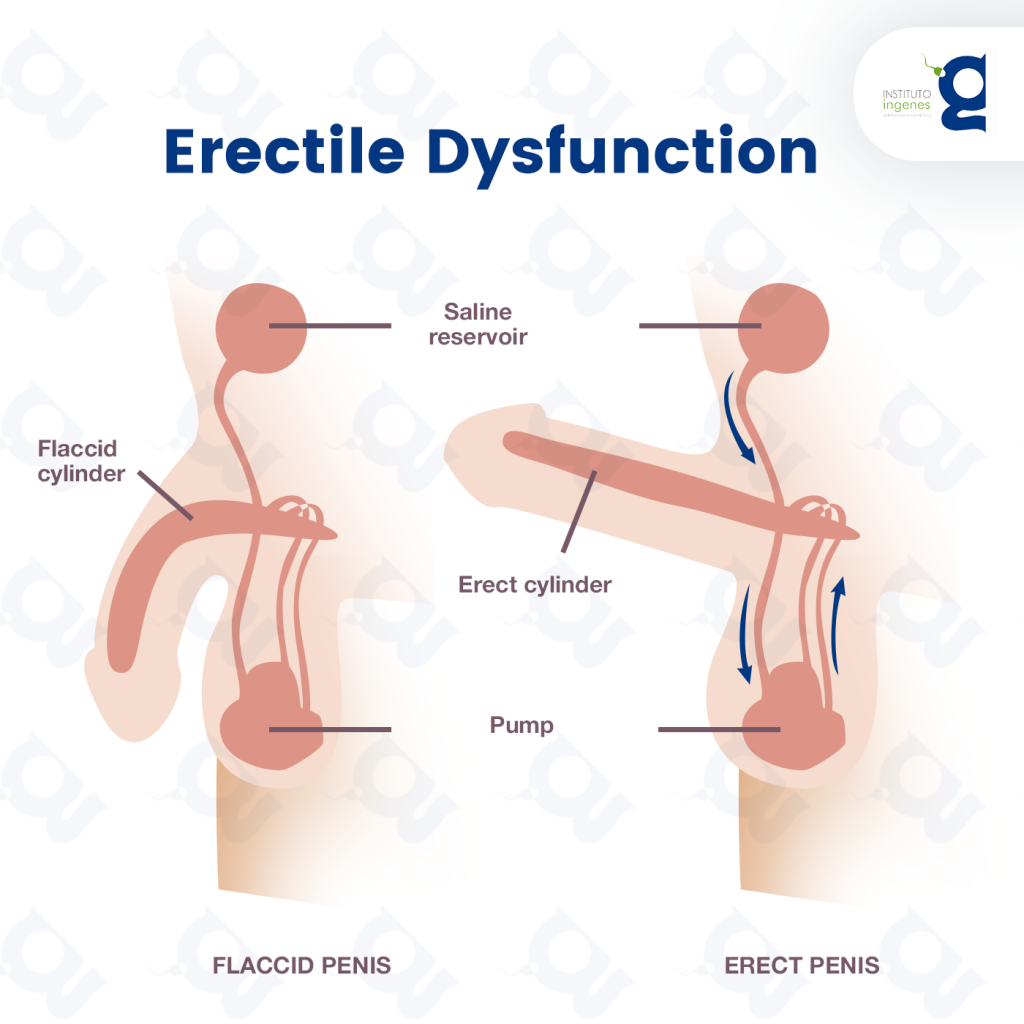
This device, also called a penis pump or a vacuum pump, is a hollow tube you put over your penis. It uses a pump to draw blood into your penis to create an erection.
A band placed at the base of the penis maintains the erection after the tube is removed. This hand- or battery-powered device is simple to operate and has a low risk of problems.
If a vacuum-constriction device is a good treatment choice for you, your doctor might recommend or prescribe a specific model. That way, you can be sure it suits your needs and that it’s made by a reputable manufacturer.
Intraurethral therapy – Intraurethral agents, sometimes called transurethral agents, are medications that treat ED by increasing blood flow to the penis to achieve and maintain erection. Medicated urethral suppository for erection (MUSE®) is the only intraurethral agent approved by the U.S. Food and Drug Administration (FDA).
Penile implants. In cases where medications or a penis pump won’t work, a surgical penis implant might be an option. Semirigid or inflatable penile implants are a safe and effective option for many men with erectile dysfunction.
Psychotherapy can have an enormous influence on erectile dysfunction.
Further treatment such as surgery and vacuum devices may also have a role to play in some specific cases.
Non-oral treatments for erectile dysfunction
Additional treatments include vacuum constriction devices, intraurethral alprostadil suppository or intracavernous injection therapy and sex therapy.
Vacuum pumps consist of a plastic tube, in which you place your penis. The pump, which may be battery or hand pump operated, creates a vacuum that will draw blood into the penis making it erect. A rubber ring will need to placed around the bottom of the penis to keep it erect. A vacuum pump is not for use if you have a bleeding disorder or take anticoagulants.
Alprostadil is a form of hormone medication that stimulates blood flow to penis, and may be given by two different methods:
Intracavernosal injection – whereby alprostadil is given by injection into the penis
Intraurethral application – whereby a pellet (1.6mm diameter and 6mm length) of alprostadil is inserted into the urethra via a urethral stick
Alprostadil may be prescribed if you do not respond to other treatments, or you are unwilling to try oral medications or vacuum pump therapy. Your health team may provide training on how to inject or insert alprostadil.
Which treatment is the best for diabetes and ED?
The most suitable treatment will depend on the health of the patient and their own ability to tolerate the treatment. Specialists such as urologists can work with individual cases and determine the best treatment.
What is the future of diabetes and erectile dysfunction?
There are frequent advances in this field. Better medications, implants, vacuum devices and suppositories have all increased options for diabetic men with ED.
Gene therapy is not being tested, and at some point may offer a permanent therapeutic approach to tackling diabetes and erectile dysfunction.
How can I get rid of ED when I have diabets ?
Don’t underestimate the difference a few changes can make. Try these approaches to improve erectile dysfunction and your overall health:
Stop smoking. Tobacco use, including smoking, narrows your blood vessels, which can lead to or worsen erectile dysfunction. Smoking can also decrease levels of the chemical nitric oxide, which signals your body to allow blood flow to your penis.If you’ve tried to quit on your own but couldn’t, don’t give up — ask for help. There are a number of strategies to help you quit, including medications.
Lose excess pounds. Being overweight can cause — or worsen — erectile dysfunction.
Include physical activity in your daily routine. Exercise can help with underlying conditions that play a part in erectile dysfunction in a number of ways, including reducing stress, helping you lose weight and increasing blood flow.
Limit or cut out alcohol. Excess alcohol can contribute to erectile dysfunction. If you choose to drink alcohol, do so in moderation. For healthy adults, that means up to one drink a day for men older than age 65, and up to two drinks a day for men age 65 and younger.
We know pills, pumps, and surgeries work for erectile dysfunction, but what about food?
Are there things you can eat that can help with ED? There are reasons to think there may be, even if more evidence is needed to confirm the potential of the following foods.
Goji berries have a long history tied to sexual fertility. The long history uses of Goji showed that goji berries significantly:
increased sperm quantity and movement
shortened erection, capture, and ejaculation response
improved sexual ability
improved recovery of testosterone levels
Research suggests that goji berries may be an alternative to prescriptions for erectile dysfunction, like Viagra.
Longan
Longan is the fruit of the longan tree (which is scientifically known as Dimocarpus longan).It looks like a berry or a grape and tastes mildly juicy and sweet.
Longan tonics have been popular since time immemorial with Chinese women to increase their sensuality and appearance. The fruit helps to increase energy and stave off fatigue.
Chives
Chives, aka those little green disks you can find in most Chinese dishes, not only taste great but are full of vitamins, minerals, protein and sugar often used in medicine to cure illness. In Chinese, Chives are nicknamed “grow man health,” which translates to “the grass that raises your man health” Chives actually possess sulfides that, when combined with vitamin B1, help reduce fatigue and recover strength, hence increasing male stamina and virility.
Quail Eggs
Quail eggs are delicious and nutritious. They are chalk full of amino acids that the body needs, whatever those are. Traditional Chinese medicine says quail eggs mend the human body’s “five viscera” (heart, liver, spleen, lungs and kidneys), benefits the essence of blood and increases male virility. It is said that men who eat quail eggs on a regular basis will have increased sexual capabilities, strength and muscles…all night long.
Lamb Kidney
In order to increase your kidney yang, you sometimes have to eat the kidney of another animal. Lamb kidneys have tons of protein and vitamins needed to get the blood flowing. In China, men who are impotent believe eating lamb kidney will restore their virility. Lamb supposedly warms the joints and strengthens the lower back and legs, increasing your sexual ability.
Okra
Ripe okra is used in traditional Chinese medicine for its leaves that contain healing ingredients. Not only does okra increase male virility, it can be used to treat certain urinary problems. No wonder okra has earned its name “the plant Viagra.”
Watermelon
This sweet, refreshing fruit has a compound that can have effects similar to ED meds on your blood vessels. It may even rev up your sex drive, studies say. Most of watermelon is water, but the rest is loaded with lycopene, an antioxidant that’s good for your heart, prostate, and skin.
Oysters
These shellfish may boost your testosterone levels, and that can help with sex drive. They’re also chock-full of zinc, a nutrient your body needs. But you may save yourself problems by making sure they’re cooked. Make sure you know where they come from, and that they’re cooked properly.
Coffee
Coffee
Your morning cup of joe is more than a satisfying pick-me-up. It may give your love life a boost, too. Men who drank two or three cups’ worth of caffeine a day were less likely to have erectile dysfunction, one study found. That’s because caffeine helps boost blood flow. Not a java fan? Many teas, sodas, and sports drinks also have caffeine.
Dark Chocolate
USANA Nutrimeal™ Dutch Chocolate
This treat may have perks below the belt. An ounce a few times a week can help your ticker — and what’s good for your heart could be good for other parts, too. Chocolate is rich in flavanols, plant nutrients that can increase blood flow and lower blood pressure. It also helps your body make more of nitric oxide, which can help with erections and is in many ED medications.
Nuts
Walnuts have lots of arginine, an amino acid your body uses to make nitric oxide. They’re also good sources of vitamin E, folic acid and fiber. Don’t add more than a few small handfuls to your daily diet, though. Nuts are high in calories.
Juice
Grape Juice
Maybe you enjoy an adult beverage made from grapes, but here’s a reason to drink the stuff kids like. Nutrients in Concord grape juice also increase the amount of nitric oxide in your body. If you’re not wild about drinking grape juice, try pomegranate juice. It appears to have the same effect.
Garlic
The strong-smelling bulb may help between the sheets. If plaque forms on the walls of the arteries, blood flow could be cut off or reduced. That could cause a problem when it comes to romance. Garlic in your diet may help keep your arteries healthy and clear as you age.
Fish
salmon Fish
Salmon and other fatty fish are great sources of heart-healthy omega-3 fatty acids, which may boost nitric oxide in your body. They’ll lower your blood pressure and your risks for heart attack and blood clots. Aim for 8 ounces of salmon a week. Sardines, fresh albacore tuna, and mackerel are other good sources of omega-3s.
Greens
Kale Green
Kale is also a nitric-oxide booster. Aside from the possible benefits to your sex life, leafy greens are nutritional powerhouses. They’re packed with vitamins, minerals and omega-3s.
Peppers
capsicum Pepper
You might spice up your love life by adding some chili peppers to your diet. The stuff in cayennes, jalapenos, habaneros, and other peppers that give them their heat relaxes the arteries — and that helps blood flow to the heart and other organs, including the penis. Chilies can also help lower blood pressure and cholesterol and prevent blood clots.
Olive Oil
Olive oil may help your body make more testosterone. It’s also full of the good-for-you monounsaturated fat, which can help get rid of the bad cholesterol in your body. Opt for extra-virgin olive oil — that means the olives were pressed without chemicals or high heat, which preserves the healthy antioxidants.