What Factors Affect the Speed of Sildenafil and Is it Safe to Take Viagra with Alcohol?

The drug duration and the onset of action can be affected y several factors, including:

  • Alcohol. Alcohol-containing beverages decrease the blood flow to the penis. As a result, it becomes harder to achieve and maintain an erection necessary for sexual intercourse. One glass of good wine or one beer will not decrease the speed of sildenafil, but larger amounts of alcohol will surely slow down the effects of the drug and may even cause adverse reactions making it harder to get an erection;
  • Old Age. Men over 60 report that the drug starts working later because with age the body’s metabolism slows down. However, this means that sildenafil tablets will last longer in older men;
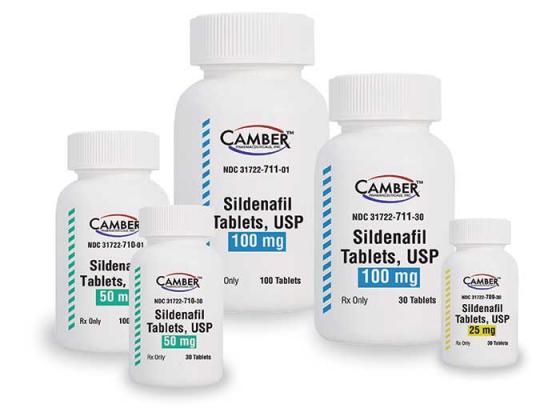
  • Dosage. The dosages may range from 25 mg to 100 mg. The higher dose you take, the more potent and long-lasting effects you will notice. Remember that only a doctor can determine the correct dosage of this generic medication for your case. Do not engage in self-treatment!
  • Heavy foods. If you eat too many fatty foods just before you take a pill, you may need to wait more time until the drug starts working since your body will be busy digesting the food. But if you take the pill on an empty stomach, the onset of action will occur quickly;
  • Drug interactions. Some medications can slow down the speed of the drug. For, example, antibiotic rifampicin can change the speed of the action. Always consult your doctor about any medications you are taking or going to take. This way you can ensure that generic Viagra (Sildenafil) is safe for your body;
  • Health condition. If you any pathological problems with kidney or liver, the medication can last longer. The thing is that the pill will be absorbed by your organism much longer. You should always inform a medical specialist about all medical conditions you have.


Is it Safe to Take Viagra with Alcohol?

Viagra was one of the first FDA-approved oral medications to be offered to men who have erectile dysfunction (ED) and is the most well-known ED drug—think “the little blue pill.” ED is a medical condition in which a man cannot get or maintain an erection long enough to have satisfactory sex. Viagra is still a commonly prescribed treatment for ED, which affects 30 million men, according to the American Urological Association (AUA, 2018).

The active ingredient in Viagra is sildenafil citrate, a type of drug called a phosphodiesterase 5 (PDE5) inhibitor. PDE5 inhibitors help treat ED by relaxing the muscles in the penis to allow for more blood to flow to the area. This increased blood flow enables you to have and maintain a satisfactory erection. Other PDE5 inhibitors used to treat ED include vardenafil (brand name Levitra) and tadalafil (brand name Cialis). Viagra is taken anywhere from 30 minutes to four hours before engaging in sexual activity. The drug alone will not give you an erection—you need to be aroused for the medication to work.

Is it safe to take Viagra with alcohol?

Many men drink alcohol on the days they plan to use Viagra. Alcohol can help you relax, and it decreases inhibitions, etc. As long as you are not drinking excessively (and have cleared it with your healthcare provider), it is likely safe for you to have a glass or two of wine (or the equivalent serving of beer or spirits) while taking Viagra.

However, people who abuse alcohol (more than 15 drinks a week) and take Viagra for recreational (non-medical) purposes may have a higher risk of side effects (Kim, 2019). One study showed that over 45% of men who took Viagra with alcohol for recreational purposes had a higher risk of side effects, including facial flushing, headaches, chest pain, changes in vision, and light headedness (Kim, 2019).

The type of alcohol you drink may matter. A study looking at men who drank red wine and took Viagra showed no clinically significant interaction with the combination (Leslie, 2004). However, if you prefer grapefruit juice with your cocktails, there may be an interaction with the Viagra.

Viagra is broken down by the liver, and grapefruit juice may affect how well the liver can accomplish this. Researchers looked at men who took Viagra with grapefruit juice and found that the combination can increase the amount of the drug circulating in your body (Jetter, 2002). While this is not usually a dangerous outcome, higher levels of Viagra may increase the risk of side effects like headaches, flushing, or low blood pressure. To be safe, you should avoid taking Viagra with grapefruit juice.

Alcohol and ED

ED tends to affect men in older age groups, especially those aged 70 years and over. However, ED does not only happen in old age—it can also occur in younger men. Lifestyle factors can also increase the risk of developing this condition. These include obesity, smoking, lack of physical activity, and excessive alcohol consumption.

viagra with beer

Impotence: how is it different from erectile dysfunction?


A common term for ED after drinking alcohol is “whiskey dick.” The effects of alcohol on a man’s erectile function will vary. In general, alcohol acts as a depressant, meaning that it has a sedating or relaxing effect on the brain and body. While this sounds good, it can also negatively affect some of the pathways involved in sexual arousal, blood circulation, and nerve sensitivity—all of these need to be functioning properly to have a satisfying sexual encounter.

For example, alcohol intoxication can slow the signals between the brain and the penis responsible for getting an erection. Drinking alcohol can also lead to dehydration, which reduces blood flow and impacts your ability to get an erection.

The amount of alcohol you drink matters. Excessive (more than 15 drinks per week) or binge drinking (5 or more drinks on a single occasion) can contribute to ED by affecting the pathways by which nerves and blood vessels allow you to get and maintain an erection. Heavy alcohol use can also decrease your testosterone levels, thereby reducing your sexual desire and ability to have satisfactory sex (Wang, 2018). One study looked at 100 men with diagnosed alcohol abuse disorders and found that over 72% of them had some form of sexual dysfunction, with ED being one of the most common (Benegal, 2007).

Alcohol is not all bad when it comes to ED. One study showed that moderate alcohol use (which they defined as 14.5 drinks per week) was associated with a 34% decreased risk of ED (Wang, 2018). Studies have also found that moderate alcohol consumption of up to two drinks per day could have other health benefits, like raising “good” HDL cholesterol and lowering the risk of diabetes (AHA, 2019). As with many other things in life, moderation is key.

In summary, if you are going to consume alcohol while taking Viagra, be sure to do so responsibly. Limit your alcohol intake to 1–2 drinks per day. According to the Centers for Disease Control and Prevention (CDC), a standard drink is one of the following:

  • 12 ounces of beer (5% alcohol content)
  • 8 ounces of malt liquor (7% alcohol content)
  • 5 ounces of wine (12% alcohol content)
  • 1.5 ounces or a “shot” of 80-proof (40% alcohol content) distilled spirits or liquor (e.g., gin, rum, vodka, whiskey)

Drink water or nonalcoholic beverages in between the alcoholic drinks to prevent dehydration. Know your limits, and be sure to stop drinking alcohol when you start to feel intoxicated.


How Viagra Works ?

Since the debut of the erectile dysfunction drug Viagra (sildenafil) in 1998, millions of men have discovered how this medication can help treat the symptoms of erectile dysfunction.

Viagra is used to treat Erectile Dysfunction (ED) and Pulmonary Arterial Hypertension (PAH). It contains the active ingredient, Sildenafil. It works by relaxing the blood vessel walls, allowing blood flow to the penis more easily, which is an essential factor in getting and maintaining an erection.

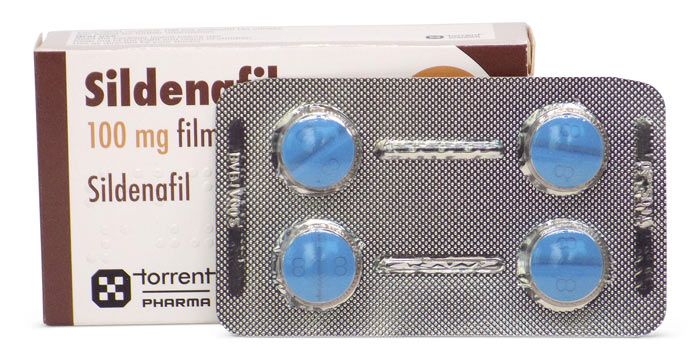
Viagra is a blue, diamond-shaped tablet that comes in doses of 25mg, 50mg or 100mg.

You should follow the advice of a doctor when taking this medication. It is possible to buy it online without a prescription, but this is risky as the ingredients may be harmful, so we advise you to consult a doctor before taking Viagra. They will advise you on the correct dosage and whether any other medication you are taking may interfere with its effectiveness.

After taking the medication you should expect to see an effect after about 30 minutes. You will need to be sexually aroused in order for it to take effect.

But while countless men around the world (and their partners) have experienced the clear benefits of Viagra in their sex lives, there’s not as much awareness of how the “little blue pill” actually works. What does Viagra really do in the human body?

How fast does it work, and how long does it last? We decided to dig deeper and find out. If you’ve ever been curious about what Viagra can do, read on – you might be surprised at what you discover.

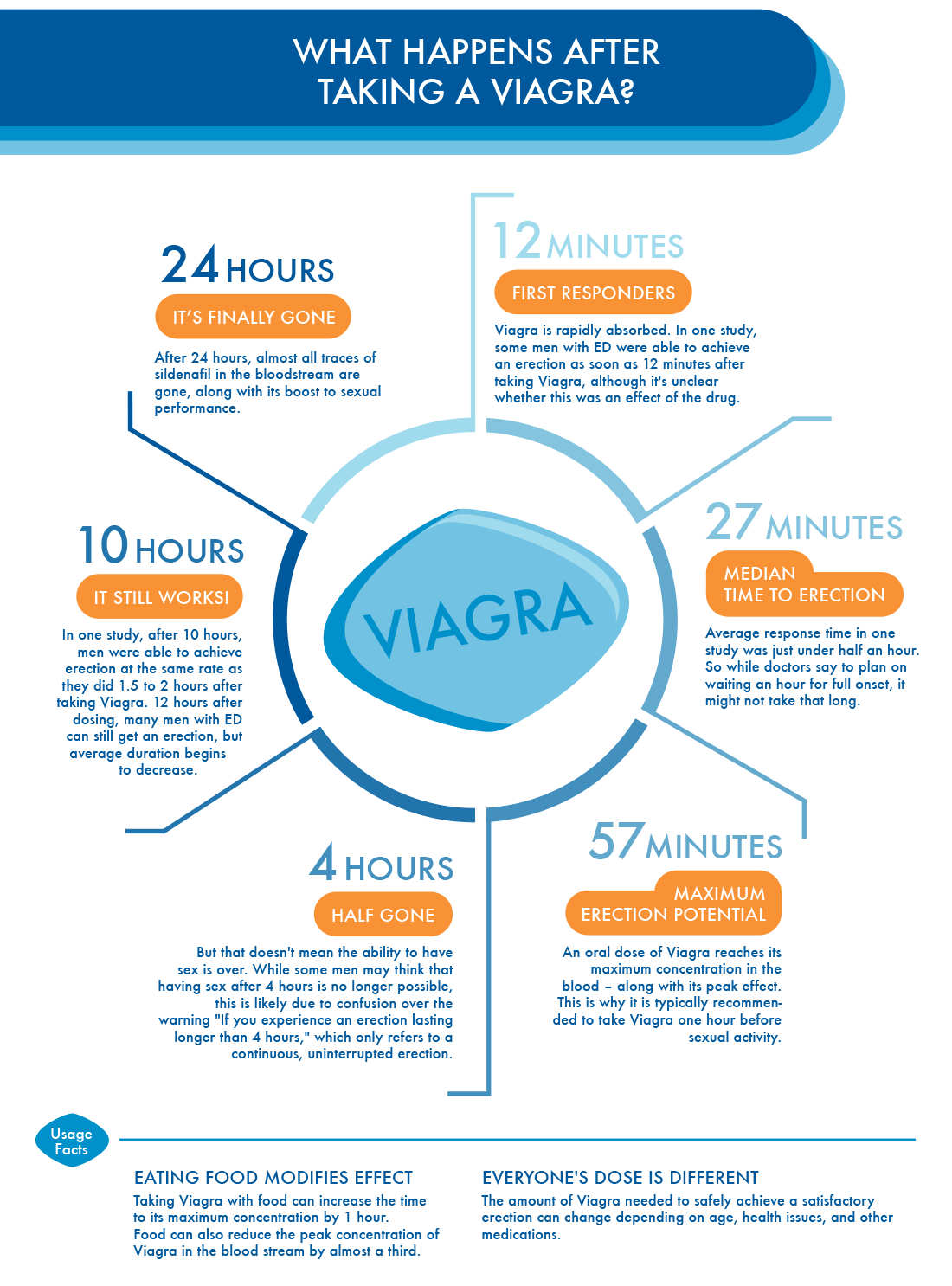
The manufacturers of Viagra recommend taking Viagra one hour before having sex. However, studies have suggested that it could start working even sooner than that. Some men were able to achieve an erection just 12 minutes after taking Viagra, although this wasn’t conclusively proven to be due to Viagra.

And while the maximum concentration of sildenafil in the blood isn’t reached until about an hour after taking it (and is potentially delayed by an additional hour if taken with food), it took a median of 27 minutes (with a range of 12–70 minutes) for men taking sildenafil to begin experiencing erections.

This was 23 minutes sooner than the median time of 50 minutes experienced by those who took a placebo.

The half-life of Viagra in the body is about four hours, meaning that every four hours after taking it, there’s only half as much of the drug left. However, even 10 to 12 hours after taking Viagra, men could still often achieve erections hard enough for penetration, though of a shorter duration. By 24 hours, all traces of Viagra in the blood are practically gone.

We’ve seen how quickly Viagra can work – but once it starts working, how long do erections typically last? In one study, an hour after taking Viagra, men reported being able to achieve erections lasting an average of 33 minutes. After eight hours, this decreased to 23 minutes, and by 12 hours, the mean duration of erections was reported to be 16 minutes.

In comparison, men who took a placebo found that they experienced erections lasting an average of seven minutes – less than half as long as among men who had taken Viagra 12 hours ago. Even long after the window of 30 minutes to four hours recommended by the manufacturers of Viagra, the drug clearly still has possible beneficial effects on erectile function.

Viagra is clearly an effective medication for some men, but how does it work on a cellular level? The mechanism by which Viagra allows men to achieve an erection more easily is fascinating. By inhibiting an enzyme known as PDE5 associated with muscle contraction in penile tissue, Viagra allows blood vessels to relax and expand, leading to increased blood flow into the penis.

So how do these molecular-level effects translate into bedroom performance? A study of nearly 4,000 men with erectile dysfunction who were then treated with sildenafil found a clear increase in the firmness of erections. Prior to taking Viagra, 58.7% of these men reported an erection hardness score of only 1 or 2, considered insufficient for penetration. However, after four weeks of treatment, 96.3% found they were able to obtain erections of hardness grade 3 or 4 – with 63.6% achieving grade 4 erections, the highest possible firmness. Without Viagra, a majority of these men would have had great difficulty having sex.

While Viagra was the first PDE5-inhibiting erectile dysfunction drug to be brought to market, a number of similar medications have since made their debut, such as Cialis, Levitra, and Spedra. But how do all these competing medications stack up? In a review of 82 trials covering over 47,000 patients, Viagra in a dose of 50mg was found to have a greater measured efficacy than all other PDE5-inhibiting medications when they were compared with a placebo.

Seeking Help for Your Sex Life

Viagra has achieved such widespread recognition and usage that it’s practically become synonymous with erectile dysfunction treatment. And while this has led to greater openness on the subject of impotence and sexual performance issues, discussion of sexual difficulties can still be a challenging topic for many. If you’ve been struggling with erectile dysfunction, visit Onlinedoctor.Superdrug.com for a discreet consultation with qualified medical professionals. You can receive expert advice in the comfort and privacy of your home, with any treatments quickly shipped to your door.

Sources

  • https://edition.cnn.com/2013/03/27/health/viagra-anniversary-timeline/index.html
  • https://www.drugs.com/stats/viagra
  • https://bpspubs.onlinelibrary.wiley.com/doi/pdf/10.1046/j.0306-5251.2001.00034.x
  • https://pubmed.ncbi.nlm.nih.gov/22386826/
  • https://pubmed.ncbi.nlm.nih.gov/16422972/
  • https://pubmed.ncbi.nlm.nih.gov/11879256/
  • https://bpspubs.onlinelibrary.wiley.com/doi/pdf/10.1046/j.0306-5251.2001.00027.x
  • https://pubmed.ncbi.nlm.nih.gov/17233779/
  • http://labeling.pfizer.com/ShowLabeling.aspx?id=652#section-1
  • https://www.medicines.org.uk/emc/medicine/1474
  • https://pubmed.ncbi.nlm.nih.gov/23758451/
  • https://pubmed.ncbi.nlm.nih.gov/24680453/
  • https://pubmed.ncbi.nlm.nih.gov/25817916/

Fair Use

Feel free to share the images found on this page freely. When doing so, please attribute the authors by providing a link back to this page, so your readers can learn more about this project and the related research.

What is Viagra and How Viagra Works ?

Viagra (sildenafil) is a popular medication used to treat erectile dysfunction (ED) in men. The drug does not cure ED or increase sex drive. Instead, it helps you get an erection in a natural way.

Manufactured by Pfizer, the medicine has become the first ED treatment approved by the U.S. Food and Drug Administration (FDA). Today, in 2020, there are also generic versions of Viagra available on the market. Thet have the same efficiency but are much cheaper. Sildenafil is also a vasodilator and may be used to treat pulmonary arterial hypertension.

When is Viagra used?

Viagra is for adult men seeking to treat impotence, or erectile dysfunction. ED is the lack of blood flow to the penis, making it impossible to achieve or maintain an erection for long enough to have satisfactory intercourse. ED can happen due to age, a medical condition or it can be psychological.

Buy Viagra Online
Buy Viagra Online

Erectile dysfunction is often an embarrassing issue for those who suffer from it and can have many negative effects. Erectile problems can lead to stress in relationships, low self-esteem, and a decreased sex drive. Viagra (Sildenafil) can be an effective treatment for erectile dysfunction if taken correctly, as instructed by a doctor.

Often, men suffering from ED have already tried non-medical remedies to treat it, such as changing their diet, increasing exercise and reducing stress before deciding to seek medical treatment such as Viagra. If you have decided that Viagra is the right option for you we advise you to request a prescription through a doctor to ensure you take the right dosage.

Viagra works alongside sexual stimulation to achieve an erection. When a man becomes aroused something called cyclic GMP is released.

This causes the blood vessels to relax and expand and more blood to enter the penis. The result of this is an erection. Cyclic GMP is broken down by an enzyme known as PDE5. Viagra (Sildenafil) works to stop this break down occurring and therefore helps maintain the erection.

Maintaining a healthy sex life is important for psychological and physical well-being. Viagra is an aid for men who have insufficient blood flow to the penis and therefore problems having sex.


How Viagra Works

Since the debut of the erectile dysfunction drug Viagra (sildenafil) in 1998, millions of men have discovered how this medication can help treat the symptoms of erectile dysfunction. But while countless men around the world (and their partners) have experienced the clear benefits of Viagra in their sex lives, there’s not as much awareness of how the “little blue pill” actually works. What does Viagra really do in the human body? How fast does it work, and how long does it last? We decided to dig deeper and find out. If you’ve ever been curious about what Viagra can do, read on – you might be surprised at what you discover.

The manufacturers of Viagra recommend taking Viagra one hour before having sex. However, studies have suggested that it could start working even sooner than that. Some men were able to achieve an erection just 12 minutes after taking Viagra, although this wasn’t conclusively proven to be due to Viagra. And while the maximum concentration of sildenafil in the blood isn’t reached until about an hour after taking it (and is potentially delayed by an additional hour if taken with food), it took a median of 27 minutes (with a range of 12–70 minutes) for men taking sildenafil to begin experiencing erections.

Chemically “Viagra” is a substance called sildenafil, PDE 5 inhibitor. This means that we have an enzyme in our body called phosphodiesterase, which affects the blood flow in the cavernous bodies of the penis and in the blood vessels. If this enzyme is blocked, then this very blood flow will increase.

This is how sildenafil works: it relaxes smooth muscles and blood vessels, and increases blood flow to the penis.  And this helps to keep the organ in an erect state. The medicine does not cure the cause of dysfunction, it simply eliminates the consequences.

The drug does not make you sexually aroused.  PDE5 inhibitors help only in the technical part. But if you don’t want to have intimacy, the pill may not work.

This was 23 minutes sooner than the median time of 50 minutes experienced by those who took a placebo.

The half-life of Viagra in the body is about four hours, meaning that every four hours after taking it, there’s only half as much of the drug left. However, even 10 to 12 hours after taking Viagra, men could still often achieve erections hard enough for penetration, though of a shorter duration.

By 24 hours, all traces of Viagra in the blood are practically gone.

We’ve seen how quickly Viagra can work – but once it starts working, how long do erections typically last? In one study, an hour after taking Viagra, men reported being able to achieve erections lasting an average of 33 minutes. After eight hours, this decreased to 23 minutes, and by 12 hours, the mean duration of erections was reported to be 16 minutes.

In comparison, men who took a placebo found that they experienced erections lasting an average of seven minutes – less than half as long as among men who had taken Viagra 12 hours ago.

Even long after the window of 30 minutes to four hours recommended by the manufacturers of Viagra, the drug clearly still has possible beneficial effects on erectile function.

What dosages are there?

The Viagra dosage will be determined by your age, gender, medical condition, and drugs which you are already taking (if any). A medical professional must assess these factors in order to prescribe a specific dosage for you.

Viagra comes in blister packs of 20mg, 50mg and 100 mg tablets. Always follow the instructions on the packaging and refer to your doctor’s prescription advice.

Most men are recommended a 50mg dosage to start with. If you experience strong side effects, this is usually decreased to 25mg. Alternatively, if you find the effects are not strong enough, you can increase the dosage to 100 mg. Always check with your doctor before increasing your dosage and if you have strong side effects or symptoms which you find alarming, stop taking the drug immediately and seek medical assistance.

Men aged 65 years and over are usually advised to take a 25mg dosage as the effects of the drug can be stronger than for younger people.

Some other important things to remember when taking Viagra are:

  • Take the tablet between 30 minutes and 4 hours before engaging in sexual activity.
  • Swallow your Viagra (Sildenafil) tablet whole: do not crush or chew it, and do not dissolve it in water.
  • Take Viagra (Sildenafil) with or without water.
  • Do not exceed one Viagra (Sildenafil) dose per day.


How Long Does Viagra Last?

Sildenafil is a common medication used to stimulate erections in men with erectile dysfunction (ED) and treat pulmonary arterial hypertension (high blood pressure affecting the lungs and heart).

For treating ED specifically, Viagra is the well-known brand-name version of this drug. Viagra is used to treat Erectile Dysfunction (ED) and Pulmonary Arterial Hypertension (PAH). It contains the active ingredient, Sildenafil.

It works by relaxing the blood vessel walls, allowing blood flow to the penis more easily, which is an essential factor in getting and maintaining an erection. Viagra is a blue, diamond-shaped tablet that comes in doses of 25mg, 50mg or 100mg. You should follow the advice of a doctor when taking this medication.

It is possible to buy it online without a prescription, but this is risky as the ingredients may be harmful, so we advise you to consult a doctor before taking Viagra.


They will advise you on the correct dosage and whether any other medication you are taking may interfere with its effectiveness. After taking the medication you should expect to see an effect after about 30 minutes. You will need to be sexually aroused in order for it to take effect.

Many factors can influence how long Viagra takes to start working. In general, Viagra takes about 30 minutes to produce noticeable effects.

But your diet, your overall health, the medications you’re taking, underlying conditions, and much more can all affect the amount of time Viagra takes to work in your body and how long it lasts.

How long does Viagra last for men and women?

The average duration of its action in men is about 4 – 6 hours. The drug is not intended for use in women. Sildenafil stays active for a different period of time, it works individually for every man. Most men say that sildenafil lasts about 4 hours, but others reported that they were able to feel the effect of the medication even the next morning. In some men, it lasts for 6 hours. But this also does not mean that a man will have an erection all this time. Below you can see the approximate duration of 25 mg and 100 mg tablets.


Viagra dosage How long does it last?
25 mg sildenafil 2-3 hours
100mg sildenafil 5-6 hours


Some men wonder: “How long does Viagra stay in your urine and blood?” Sildenafil usually leaves your system after 2-3 hours. Depending on your metabolism, sildenafil can take 5-6 hours to fully leave your system. A higher dosage of the drug will take longer to leave your urine and blood.

How does it work?

An erection happens when nerves in your penis are stimulated.

As a result, muscles around two cylinder-shaped chambers of spongy material along your penis, known as the corpus cavernosa, relax and allow blood to flow in, causing an erection.

With ED, your nerves don’t communicate properly with your brain and blood doesn’t flow properly into the corpus cavernosa. Taking Viagra relaxes the walls of your blood vessels and lets blood flow more easily into the parts of your penis that cause an erection.

How long does it take to start working?

Viagra normally starts working 30 to 60 minutes after you take it in oral tablet form. It may take up to 2 hours to work.

Viagra doesn’t work on its own. You’ll still need to feel sexually aroused to get an erection. Feeling relaxed and comfortable can also help Viagra take effect sooner.

How long does it last?

On average, Viagra usually lasts between 2 and 3 hours before its effects start to diminish. Viagra can last up to 5 hours or longer depending on your dosage, your body’s metabolism, and other external factors.

Depending on how your body metabolizes it, you may be able to get an erection several times with Viagra in your body. Viagra probably won’t make you last longer in bed, though. No research has proven definitively that Viagra can increase how long you can have sex.

Viagra may not work again immediately after you’ve had sex. Normally, you can’t get another erection right after ejaculating because your body isn’t physically prepared for it.

This is known as the refractory period. It may only last a few minutes, but it can last as long as a few hours or days. However, a 2000 studyTrusted Source found that Viagra may decrease this recovery time.

Can any factors affect how long it lasts?

Several important factors can influence how long Viagra lasts for you:

  • Dosage. The amount of Viagra you take affects how long it stays in your system. The smallest available dose, 25 milligrams (mg), won’t last as long as the largest available dose, 100 mg. But taking a higher dose isn’t always recommended, as it may not be safe for you.
  • Age. As you get older, your metabolism slows down. So Viagra may last longer as you age. In general, you may notice Viagra works for a longer period when you’re 65 or older.
  • Diet and lifestyle. Eating a large meal or a lot of high-fat foods right before you take Viagra can keep it from being metabolized quickly or effectively. But this can also make it last longer as it’s metabolized along with your meal. Drinking alcohol or smoking can also decrease blood flow to your penis, making Viagra less effective or shorter-lasting.
  • Medications. Some medications, especially antibiotics such as erythromycin (Ery-Tab), clarithromycin (Biaxin), and ciprofloxacin (Cipro), can interact with Viagra and affect how long it lasts.
  • Overall health. Certain existing conditions can affect how long Viagra lasts and how well it works for you. Diabetes, nervous system conditions like multiple sclerosis (MS), and heart conditions like atherosclerosis (fat buildup in your blood vessels) can all make Viagra less effective and not last as long. Some kidney conditions may make Viagra last longer because of the condition’s effect on your metabolism.
  • Psychological state. Feeling anxious, nervous, depressed, or stressed can all influence how your body responds to sexual stimulation. If you’re not relaxed or comfortable during sex, or if you have performance anxiety because of past sexual experiences, Viagra may not last long or be fully effective.

How long does it take to leave my system?

Viagra usually leaves your system after 2 to 3 hours. Depending on your metabolism, Viagra can take 5 to 6 hours to fully leave your system.

A higher dosage will take longer to leave your body. A 25-mg dose may wear off after a couple of hours, but a 100-mg dose may take nearly four times as long to leave your system.

Is there anything I should be concerned about?

Viagra often lasts for a few hours. You won’t normally have an erection the entire time, as Viagra is only used to help increase blood flow. If you don’t think Viagra is working fast enough, try masturbation or foreplay to help stimulate arousal.

If Viagra doesn’t work after 30 minutes, don’t take any more than the daily dose that your doctor prescribed. Never take more than 100 mg of Viagra in a 24-hour period.

Taking too much Viagra can cause priapism, a painful erection that lasts longer than 4 hours. This can damage penis tissue because blood stored in the penis isn’t receiving any oxygen. Get emergency treatment right away if this happens.

Will Viagra Damage your Eyes ?

No, taking Viagra to enhance your bedroom performance won’t make it harder for you to see your partner. However, once in a while it could make everything seem a little blue, especially if you take the maximum 100 mg dose.

The chemicals in the drug can temporarily change how light hits your eye, and everything takes on a short-lived blue tint.

“This side effect can happen with higher doses, but it’s uncommon,” Dr. Montague says. “There’s no bad impact on the eye, but pilots can’t take it because of the possible color tint.”

For men taking Viagra, an unnerving side effect — light sensitivity, bluish-colored vision — has been a concern. But there’s no evidence that Viagra causes eye damage, even in those who take high doses, according to a new study.

Since Viagra lowers blood pressure overall, there was a suspicion that the drug might decrease blood flow to optic nerves — nerves that control vision — which can cause nerve damage.

However, this study of 13 men at Stanford University found that high doses of Viagra by and large preserved the thickness of the choroid layer of the eye, indicating that blood flow was normal. There were some small variations in thickness, which indicated that some men with an underlying blood vessel condition — such as hardening of the arteries — may indeed have changes in vision.

The study appears in the November-December 2002 issue of Ophthalmologica.

Some of the men did have more difficulties discriminating between shades of blue and green. However, those men had trouble seeing the difference between many colors.

“Viagra can change blood vessel structure as well as general blood pressure, so we needed to answer the question whether the drug could change blood vessels in the eye,” says lead researcher Tim McCulley, MD, assistant professor of ophthalmology at Stanford University, in a news release.

Viagra Can Cause Vision Problems in Some Men

Experts say using too large a dose of Viagra when first starting the erectile dysfunction drug can lead to temporary vision issues.

    • An eye specialist in Turkey reports that temporary vision problems have occurred in some of his patients who use Viagra.
    • Experts have reported vision issues with Viagra use in the past.
    • They say most of those problems happened in men who took a larger than recommended dose of the erectile dysfunction drug.
    • Men with certain preexisting health conditions can also be more prone to vision problems from Viagra.

The warning to seek medical help if you have an erection that lasts more than 4 hours is the most familiar word of caution for men who use Viagra.

Other side effects typically don’t last much longer.

Headaches and issues with your hearing or vision are among the possible side effects, although those typically don’t last for an extended period of time.

Blurry vision, light sensitivity, and decreased ability to tell colors apart can happen, but they’re “temporary and have not been shown to have a harmful effect on your vision,” according to the American Academy of Ophthalmology (AAO).

However, new research has been uncovering cases in which longer-term effects on men’s vision appeared to be tied to taking Viagra, which treats erectile dysfunction by increasing blood flow to the penis.

The study involved a small number of cases. While it raises new concerns, researchers have largely concluded they should be easy to prevent, mainly by starting Viagra treatments with a small dose.

An eye specialist’s discovery

The latest findings come from Turkey, where an eye disease specialist at a hospital in Adana noticed a pattern of vision issues in men who were taking Viagra.

In a new study published Friday, the specialist, Dr. Cüneyt Karaarslan, writes most side effects, including vision disturbances, go away within 5 hours.

But he had had 17 cases in which men were still experiencing problems 24 to 48 hours after the drug had taken effect.

For all 17 men, their vision was back to normal within 21 days, but in the meantime they had issues like dilated pupils, blurred vision, light sensitivity, blue-colored vision, and the inability to tell red from green.

Karaarslan writes that all 17 men had taken Viagra for the first time, none of them had a prescription for it, and all of them had taken the highest recommended dose, 100 milligrams (mg).

That’s “probably not a great idea to begin with because there’s a certain self-range, and we never know how someone’s going to respond to a drug,” Dr. Richard Rosen, a vitreoretinal surgeon and vice chair of the department of ophthalmology at New York Eye and Ear Infirmary of Mount Sinai Hospital in New York, told Healthline.

Most men take the recommended dosage of 50 mg an hour before sex, once a day.

That dosage can be upped to 100 mg or lowered to 25 mg depending on how a person’s body reacts. Typically, a higher dose will take longer to leave your body.

Is Viagra Bad for Your Heart ?

Taken alone, Viagra won’t hurt your heart. But don’t take it if you’re already taking nitrates for heart health, Dr. Montague says.

Viagra was originally intended to treat angina (chest pain), which it does well — just no better than other medications. Stiffer erections were a side effect.

“Here’s a drug that not only treats angina and is good for the heart, but it works on the penis when other medications don’t,” he says.

Like nitrates, it helps dilate blood vessels constricted by coronary artery disease.

But it also similarly lowers blood pressure.

If you take the two medications together, your blood pressure could drop too low, putting you at risk for a heart attack.

Is it safe to take Viagra with my heart medications?

Sexual activity plays a crucial role in the psychological health and quality of life scores in patients with cardiovascular disease. Unfortunately, intimacy is frequently an issue in patient with cardiovascular disease.

The causes of sexual dysfunction following myocardial infarction are multiple and include anxiety, depression, medication effect and vascular insufficiency.

Regardless of the cause, the results can be devastating to relationships and the psyche.

There are three phosphodiesterase-5 inhibitors currently available in the United States: sildenafil (Viagra), vardenafil (Levitra) and tadalafil (Cialis). For simplicity and because of its name recognition, I will use the trade name Viagra to represent all phosphodiesterase-5 (PDE5) inhibitors even if the studies were completed using one of the other drugs.  I do not endorse Viagra above any of the others. Viagra has been shown to be effective in the treatment of erectile dysfunction. Viagra works by increasing the amount of nitric oxide available which enhances erectile function.

So can I take Viagra with my heart medications?

Viagra has been shown to be safe in stable cardiovascular diseases including heart failure, hypertension, and coronary artery disease. Although many have looked, there has been no clear evidence that Viagra is associated with increased rate of heart attacks or cardiovascular events. When Viagra is combined with most blood pressure medicines, there is a small but real additive effect but no change in cardiovascular events.

However, when Viagra is combined with doxazosin and tamsulosin, two alpha-blocking medications often used to treat BPH (benign prostate hypertrophy) some patients develop low blood pressures. It is recommended that if these prostate medications are required, the smallest doses of each respective medication should be used.  Patients already receiving Viagra and other PDE5 inhibitors for pulmonary hypertension should not receive a second PDE5 for the treatment of erectile dysfunction.

On the whole, Viagra can be considered safe with almost all of your cardiac medications. Unfortunately, the combination of Viagra with nitrates should never be considered safe. Together they can cause life threatening hypotension, also known as low blood pressure.  Nitrates should not be taken within 24 hours of sildenafil or vardenafil and within 48 hours of tadalafil.

I have included a short list of commonly prescribed nitrates to help you avoid them.

  1. Nitroglycerin
    1. Sublingual nitroglycerin tablets (Nitrostat)
    2. Sublingual nitroglycerin spray
    3. Nitro patch
    4. Nitro paste
    5. Isosorbide mononitrate (Imdur, ISMO)
    6. Isosorbide dinitrate (Isordil)

What Should I Do to Treat my Erectile Dysfunction when I get Diabetes ?

Erectile dysfunction (ED) is a common problem amongst men who have diabetes affecting 35-75% of male diabetics. Diabetes mellitus, commonly known as diabetes, is a metabolic disease that causes high blood sugar. The hormone insulin moves sugar from the blood into your cells to be stored or used for energy. With diabetes, your body either doesn’t make enough insulin or can’t effectively use the insulin it does make.

Untreated high blood sugar from diabetes can damage your nerves, eyes, kidneys, and other organs.

Up to 75% of men suffering from diabetes will experience some degree of erectile dysfunction (erection problems) over the course of their lifetime.

Men who have diabetes are thought to develop erectile dysfunction between 10 and 15 years earlier than men who do not suffer from the disease.

diabetes mellitus | Definition, Types, Symptoms, & Treatment | Britannica
diabetes

Over the age of 70, there is a 95% likelihood of facing difficulties with erectile function.

The Connection Between ED And Diabetes

According to the National Institutes of Health, men with diabetes are 2 to 3 times more likely to have ED than those who do not have diabetes. Men with diabetes experience ED 10 to 15 years earlier on average than others.

ED below the age of 45 can actually be an early sign of type 2 diabetes. The percentage of ED in male diabetics ranges from 20 to 75 percent.

There are factors that increase a man’s risk of developing sexual and urological problems, including:

      • Poor blood glucose control
      • High blood pressure
      • Being older than 40

The Boston University Medical Center studied the link between type 2 diabetes and erectile dysfunction and found that about half of men who receive type 2 diabetes diagnoses will develop ED within five to 10 years.

Type 2 diabetes with heart disease increases the risk of ED even more. Blood circulation and the nervous system affect sexual stimulation and response. When diabetes damages these systems, it can impact a man’s ability to achieve erection.

You may be most at risk of developing ED and other diabetes complications if you’re:

      • Stressed
      • Anxious
      • Depressed
      • Maintaining a poor diet
      • A smoker
      • Not physically active

What causes erectile dysfunction amongst diabetics?

Causes of ED are extremely complex, and are based around changes that occur to the body over time affecting nerve, muscle and blood vessel functions.

In order to obtain an erection, men need to have healthy blood vessels, nerves, male hormones and a desire to have sex

Without blood vessels and nerves that control erection, ED can still occur despite a desire to have sex and normal male hormones.

Factors amongst men

Many other factors bear on erectile dysfunction amongst diabetic men.

These include:

      • Being overweight
      • Smoking
      • Taking too little exercise and other lifestyle factors.

Surgery can damage nerves and arteries linked to the penis, as can some injuries.

Many common medications (including antidepressants and blood pressure drugs) can produce ED.

Psychological factors also have an enormous influence.

Anxiety, guilt, depression, low self-esteem and paranoia about sexual failure are estimated to cause between 10% and 20% of ED cases.

How is ED diagnosed?

Erectile dysfunction is diagnosed using several different methods. Patient history often informs the degree and nature of the ED.

Medical and sexual past often has an influence, as does prescription or illegal drug use. ED patients may be physically examined, and bodily features can give clues to the cause. Laboratory tests can also be key for diagnosing ED.

Further tests such as monitoring nocturnal erection (nocturnal penile tumescence) can help to cancel some causes out.

Furthermore, psychological examination can reveal psychological factors.

Why Does Diabetes Pose a Challenge in Treating ED?

The first step in treating ED is to visit your doctor. You will need a sexual history and physical exam to understand and treat your dual conditions. Blood glucose, blood pressure, and cholesterol can all affect the development of ED.

As a diabetic with ED, adopting a healthier lifestyle may be all you need to reverse or ease the symptoms of erectile dysfunction.

Getting your blood sugar, weight, cholesterol and blood pressure under control by eating healthfully and exercising can reduce diabetes symptoms. These steps would all improve your sexual health as well. You may also want to consider certain medications to control symptoms.

Some drugs that diabetics use to treat high blood pressure, depression and other symptoms may contribute to erectile problems. Men with diabetes often have chronic conditions that make ED worse.

Unfortunately, diabetic patients won’t always see the results that non-diabetic patients see with just an oral ED medication like Viagra. Instead, they will have to use alternate methods or more than one medication in combination.

To get to the bottom of ED with diabetes, you must work with a doctor to make sure you address all related health problems, not just one. Stress can worsen ED, so you may also want to speak to a psychiatrist to learn ways to control stress and anxiety levels.

As a diabetic with ED, your case is unique. You will need a physician who understands both conditions and their connection. Luckily, there are effective treatments for ED in patients with diabetes.

How to Fix Erectile Dysfunction in Diabetics ?

The best way to fix erectile dysfunction in diabetics is through a tailored treatment plan with help from a doctor. Patients should work closely with specialists to find an ED treatment that also takes the diabetes into consideration.

Personalized medical treatment can result in methods such as hormone therapy, or compounded medications. Compounded medications are custom drugs that can include treatments for ED and diabetes in the same pill.

Compounded medications can potentially solve ED issues in diabetes such as retrograde ejaculation – which is caused by poor blood sugar control and related nerve damage. This occurs when semen goes into the bladder instead of out of the tip of the penis during ejaculation, due to the muscles not functioning properly.

If you have diabetes and retrograde ejaculation, there are medications that can strengthen the internal muscles, or sphincters, in the bladder to prevent retrograde ejaculation. Compounded oral medications with sildenafil, tadalafil, vardenafil or other ingredients can increase blood flow to the penis, helping to solve ED and maintain an erection that’s hard enough for penetration.

At the same time, men with diabetes need to take medications that control symptoms of this condition as well, without taking those that could exacerbate the symptoms of erectile dysfunction. A conversation with a primary doctor can elicit the best medications for each particular case, as well as a referral to the right compounding pharmacy.

Are there treatments for men with diabetes and erectile dysfunction?

Men who have diabetes and are having trouble achieving or maintaining an erection can take oral medicine The NHS can provide the following medications on prescription for men with diabetes:

Brand names include:

  • Viagra
  • Cialis
  • Levitra

However, these medicines can all affect the heart rate, and detailed consultation with your doctor is necessary to determine the best course of action.

If pills aren’t a good option for you, your doctor might recommend a tiny suppository you insert into the tip of your penis before sex. Another possibility is medication you inject into the base or side of your penis. Like oral medications, these drugs increase blood flow that helps you get and maintain an erection.

vacuum constriction devices –

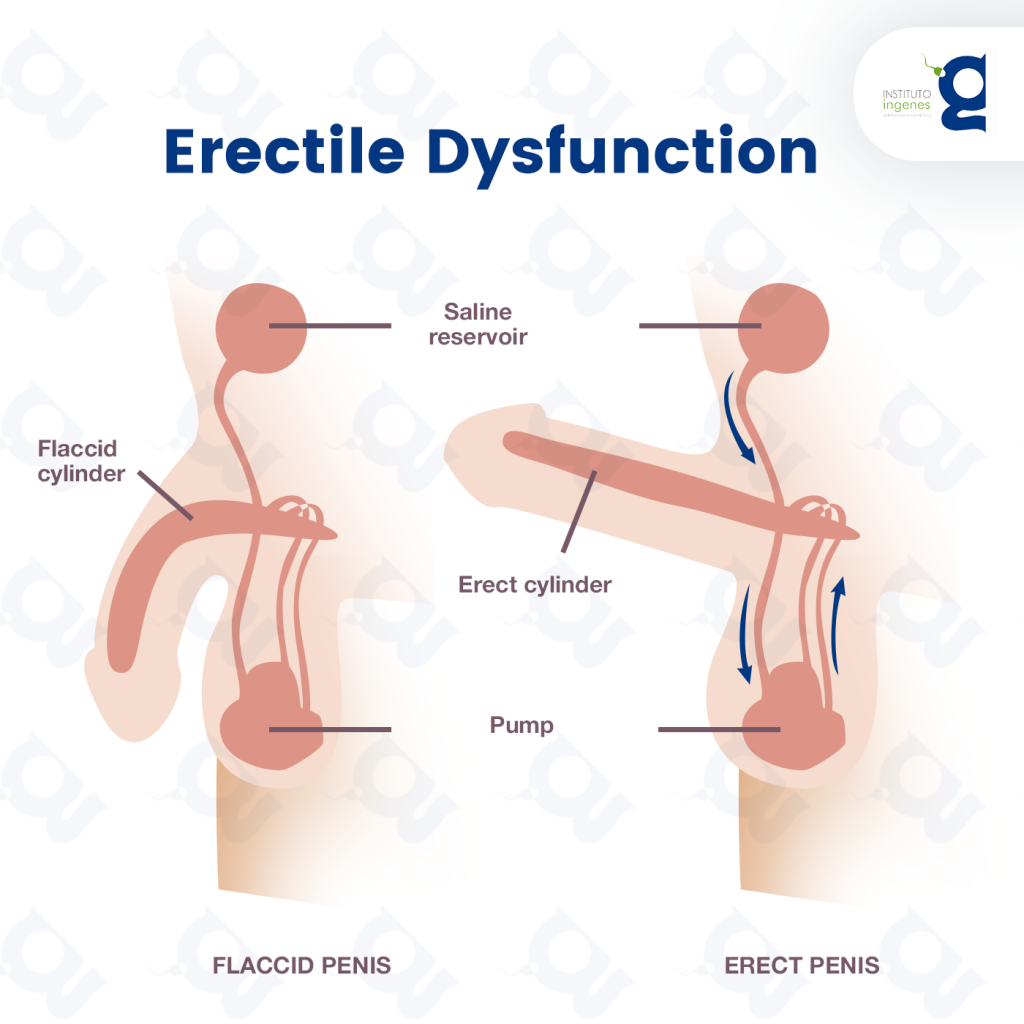
This device, also called a penis pump or a vacuum pump, is a hollow tube you put over your penis. It uses a pump to draw blood into your penis to create an erection.

A band placed at the base of the penis maintains the erection after the tube is removed. This hand- or battery-powered device is simple to operate and has a low risk of problems.

If a vacuum-constriction device is a good treatment choice for you, your doctor might recommend or prescribe a specific model. That way, you can be sure it suits your needs and that it’s made by a reputable manufacturer.

Intraurethral therapy – Intraurethral agents, sometimes called transurethral agents, are medications that treat ED by increasing blood flow to the penis to achieve and maintain erection. Medicated urethral suppository for erection (MUSE®) is the only intraurethral agent approved by the U.S. Food and Drug Administration (FDA).

Penile implants. In cases where medications or a penis pump won’t work, a surgical penis implant might be an option. Semirigid or inflatable penile implants are a safe and effective option for many men with erectile dysfunction.

Psychotherapy can have an enormous influence on erectile dysfunction.

Further treatment such as surgery and vacuum devices may also have a role to play in some specific cases.

Non-oral treatments for erectile dysfunction

Additional treatments include vacuum constriction devices, intraurethral alprostadil suppository or intracavernous injection therapy and sex therapy.

Vacuum pumps consist of a plastic tube, in which you place your penis. The pump, which may be battery or hand pump operated, creates a vacuum that will draw blood into the penis making it erect. A rubber ring will need to placed around the bottom of the penis to keep it erect. A vacuum pump is not for use if you have a bleeding disorder or take anticoagulants.

Alprostadil is a form of hormone medication that stimulates blood flow to penis, and may be given by two different methods:

  • Intracavernosal injection – whereby alprostadil is given by injection into the penis
  • Intraurethral application – whereby a pellet (1.6mm diameter and 6mm length) of alprostadil is inserted into the urethra via a urethral stick

Alprostadil may be prescribed if you do not respond to other treatments, or you are unwilling to try oral medications or vacuum pump therapy. Your health team may provide training on how to inject or insert alprostadil.

Which treatment is the best for diabetes and ED?

The most suitable treatment will depend on the health of the patient and their own ability to tolerate the treatment. Specialists such as urologists can work with individual cases and determine the best treatment.

What is the future of diabetes and erectile dysfunction?

There are frequent advances in this field. Better medications, implants, vacuum devices and suppositories have all increased options for diabetic men with ED.

Gene therapy is not being tested, and at some point may offer a permanent therapeutic approach to tackling diabetes and erectile dysfunction.

How can I get rid of ED when I have diabets ?

Don’t underestimate the difference a few changes can make. Try these approaches to improve erectile dysfunction and your overall health:

  • Stop smoking. Tobacco use, including smoking, narrows your blood vessels, which can lead to or worsen erectile dysfunction. Smoking can also decrease levels of the chemical nitric oxide, which signals your body to allow blood flow to your penis.If you’ve tried to quit on your own but couldn’t, don’t give up — ask for help. There are a number of strategies to help you quit, including medications.
  • Lose excess pounds. Being overweight can cause — or worsen — erectile dysfunction.
  • Include physical activity in your daily routine. Exercise can help with underlying conditions that play a part in erectile dysfunction in a number of ways, including reducing stress, helping you lose weight and increasing blood flow.
  • Limit or cut out alcohol. Excess alcohol can contribute to erectile dysfunction. If you choose to drink alcohol, do so in moderation. For healthy adults, that means up to one drink a day for men older than age 65, and up to two drinks a day for men age 65 and younger.

comes from

Diabetes and Erectile Dysfunction